Why More Families Are Considering Norweco Singulair Green in Wantage NJ
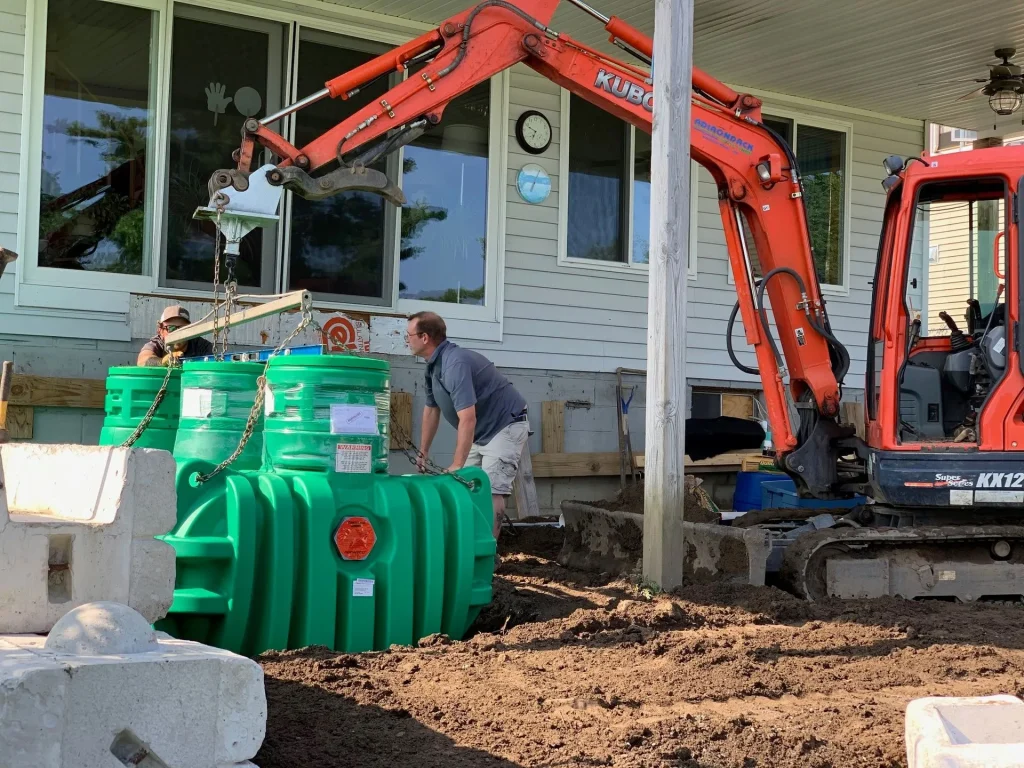

If you spend any time talking with homeowners in rural parts of Sussex County, one subject comes up sooner than most people expect: wastewater. It usually starts with a soft spot in the yard, a system that struggles after heavy rain, or a home purchase that suddenly turns into a lesson on soils, permits, and replacement costs. For families in Wantage, septic decisions are rarely theoretical. They affect daily life, property value, and the long-term usability of the home itself.
That is part of the reason interest has grown around the norweco singulair green Wantage NJ conversation. Families are not simply shopping for a brand name. They are trying to solve a practical problem: how to manage household wastewater reliably on properties where a conventional septic approach may be difficult, aging, or no longer the best fit.
What makes this shift worth paying attention to is that it is happening quietly, house by house. A family buys an older property with a dated septic system. Another plans an addition and learns the site constraints are tighter than expected. Someone else wants cleaner treatment performance because a stream, wet area, or challenging lot leaves less room for error. In those situations, advanced treatment systems move from niche option to serious contender.
Why septic choices are changing in places like Wantage
Wantage has the kind of landscape that makes septic planning more than a checkbox. Many homes are on private systems. Lots vary. Some properties are generous and dry, while others deal with slopes, shallow depth to limiting zones, older site layouts, or drainage patterns that complicate system design. Add in the age of the local housing stock, and you end up with many households evaluating systems that were installed under older expectations.
A conventional septic system can serve a home well for many years when the site is suitable norweco singulair green Wantage NJ and maintenance has been consistent. But not every property continues to fit that model forever. A replacement on an older lot often has to meet newer standards than the system it replaces. That is where homeowners can get surprised. What worked decades ago may not be the easiest path now.
Families also tend to use their homes differently than prior generations did. A house that once had two people may now have five. Laundry loads are higher. Water use patterns are less predictable. Some homeowners work remotely and are home all day, which means the system sees more steady use than a property that sat empty for long stretches. These are not dramatic changes on paper, but they matter underground.
When homeowners start exploring alternatives, they often hear about advanced treatment units that treat wastewater more thoroughly before it reaches the dispersal area. That point matters because treatment quality can affect what is feasible on a given lot and how the entire system performs over time.
What families mean when they ask about Norweco Singulair Green
Most homeowners are not asking for a technical lecture when they mention a system like Norweco Singulair Green. They want to know a few simple things. Will it fit the site? Will it perform reliably? How much maintenance does it need? Is it a reasonable long-term choice for a family home?
At a practical level, Singulair Green is generally discussed as an advanced treatment approach, one that uses aerobic treatment rather than relying solely on the passive settling and soil treatment of a standard septic setup. That distinction is important. Aerobic treatment introduces oxygen into the process, which supports the microorganisms that break down waste more efficiently. The result, when the system is properly designed and maintained, can be higher-quality effluent than a conventional septic tank alone would produce.
That cleaner effluent is one reason homeowners and designers look at systems like this for more constrained properties. It can open up options where site limitations make a traditional layout more difficult. Not every challenging property needs an advanced treatment unit, and not every advanced treatment unit is the right answer, but the underlying logic is straightforward. Better treatment upstream can make the downstream part of the system easier to manage.
The families considering norweco singulair green Wantage NJ are often those who want a system that feels more intentional than a bare minimum replacement. They may be planning to stay in the home for years. They may want predictable maintenance rather than recurring uncertainty. Or they may be dealing with a lot where the margin for poor performance is norweco singulair green Wantage NJ small.
The appeal of stronger treatment on rural residential lots
A septic system only stays invisible when it works well. Once performance drops, every rainstorm and every holiday weekend becomes a source of worry. That stress alone pushes many families to look beyond the cheapest short-term option.
Advanced treatment becomes attractive for several reasons. First, it can provide an added measure of treatment before wastewater reaches the soil dispersal component. On some properties, that matters because the site itself is less forgiving. Second, it can be part of a solution where local review, engineering, and permitting call for treatment performance beyond a basic tank-and-field arrangement. Third, many homeowners simply like the idea of a more managed, serviceable system, especially if they have already lived through one failure.
There is also a psychological factor that is easy to overlook. Families are more willing to invest in systems they understand. A standard septic field often feels mysterious until it fails. An advanced unit with routine service intervals, visible components, and a clear maintenance plan can feel more transparent. People do not mind upkeep as much when they know what is being checked and why.
That does not mean it is maintenance-free. Quite the opposite. A system like this asks for attention, and homeowners should go in with open eyes. But there is a difference between planned maintenance and reactive crisis. Most families will choose the first every time.
Why Wantage homeowners are having this conversation more often
The local context matters. Wantage and the surrounding area include plenty of homes outside sewer service areas. That means each property carries the responsibility of treating its own wastewater properly. When a family buys in the area, septic becomes part of ownership in a direct way. There is no municipal backup plan waiting at the curb.
In markets like this, several patterns tend to increase interest in advanced treatment systems.
- Older septic systems are reaching the end of their practical life.
- Replacement designs must often work within existing site limitations.
- Buyers and sellers want solutions that hold up during inspections and due diligence.
- Families expect more year-round water use than many legacy systems were built around.
- Homeowners are more aware of environmental impact than they were a generation ago.
None of those factors guarantees that a Norweco system is the right fit for a given property. They do explain why more people are asking the question.
Real estate plays a part too. A home with unresolved septic concerns is harder to sell and more stressful to finance. Even before a system outright fails, warning signs can push a sale off track. Stains in the yard, slow drains, odors after wet weather, or records showing a very old installation all make buyers cautious. Sellers who would rather address the issue proactively often end up learning about advanced treatment options during that process.
Performance matters, but maintenance matters just as much
One of the biggest mistakes homeowners make is focusing only on installation and not enough on ownership. An advanced treatment system is not just a product. It is an ongoing relationship between the homeowner, the service provider, and the site conditions.
That is especially true for aerobic units. They include mechanical and electrical components that need to keep doing their job. If a family wants something they can ignore for years at a time, they should say that plainly during the design discussion. Sometimes the right answer is still an advanced unit. Sometimes it points the team toward a different configuration. Either way, honesty helps.
What good ownership looks like is fairly simple. The system should be inspected on the recommended schedule. Pumps, aeration components, and alarms should be checked. Solids management still matters. Water use in the house should stay reasonable. Roof drains, sump discharge, and surface water should be kept away from the disposal area. None of that is glamorous, but it is what separates a long-performing installation from a recurring headache.
I have seen families embrace this easily once the process is explained in plain language. They stop thinking of the system as a buried mystery and start treating it like a furnace, well pump, or water softener. It needs periodic professional attention, and in return it does its job quietly.
The cost question families really want answered
When people ask about cost, they usually mean more than the installation price. They want to know what the decision will feel like over ten or fifteen years. That is a smarter question.
A conventional replacement can sometimes carry a lower upfront number, but not always, especially if the lot is difficult or the design process becomes complicated. An advanced treatment system may cost more to install and maintain, yet still make better economic sense if it is the workable solution for the property or if it reduces the risk of repeated repairs and marginal performance. There is no honest one-size-fits-all answer here.
For a family in Wantage, the cost discussion should include design and engineering, permitting, installation, electrical work if needed, service contract expectations, pumping intervals, and the probable lifespan of major components. It should also include the cost of doing nothing. Delaying a failing system rarely saves money for long. It often adds emergency work, landscape damage, and transaction problems if the home goes on the market.
A good contractor or designer will not oversimplify this. They will explain where the money goes and what assumptions are built into the estimate. Homeowners deserve that level of clarity.
Where Singulair Green tends to stand out
The appeal of the Norweco platform, for many families, is that it occupies a middle ground between purely passive systems and more complex treatment approaches that can feel unfamiliar to residential owners. People hear about it because it is a recognized name in the treatment unit space, and they like the idea of a residential-scale system designed around improving effluent quality.
That reputation matters, but it should not be the only reason to choose it. What matters more is fit. Does the proposed design suit the soil conditions? Is the installer experienced with the equipment? Is local service available? Are replacement parts and routine maintenance straightforward to obtain? Can the homeowner understand the system well enough to care for it properly?
Those questions sound basic, yet they often tell you more than a glossy brochure ever will. A great system on paper can become frustrating if local support is weak. On the other hand, a family that has a knowledgeable designer, a careful installer, and a dependable service provider often has a much smoother experience.
That is one reason the phrase norweco singulair green Wantage NJ keeps surfacing. Homeowners are not only evaluating technology. They are evaluating whether that technology can be supported well in their area.
What to ask before moving forward
The best septic decisions happen when families slow down and ask specific questions early. A surprising number of problems can be avoided by getting clarity before contracts are signed.
- Ask whether the recommendation is based on actual site constraints or simple preference.
- Ask what routine service will look like over the first five years.
- Ask who responds if an alarm sounds or a component fails.
- Ask how water use habits in the home may affect performance.
- Ask what alternatives were considered and why they were rejected.
That last point is especially useful. If a contractor or designer can explain why a standard system, a different advanced unit, or another layout was not the best fit, you learn a lot about the quality of the recommendation.
Homeowners should also ask how the dispersal side of the system is being protected. People sometimes focus so much on the treatment unit that they forget the rest of the system still has to work. Cleaner effluent helps, but site drainage, installation quality, and proper loading still matter.
Common situations where families start exploring advanced treatment
The path to an advanced system is rarely identical from one home to another. Still, a few scenarios come up often in communities like Wantage.
One common case is the older home with a legacy septic system that has never quite inspired confidence. It may still function, but only in dry conditions or only when occupancy is light. Another is the renovation or addition project that triggers a closer look at wastewater capacity. A third is the real estate transaction where inspections reveal limitations that both parties need to address. And then there are the environmentally sensitive properties, where homeowners want a stronger treatment approach because the setting justifies extra care.
I have also seen families choose an advanced system after years of patchwork repairs. Once you have paid for repeated service calls, temporary fixes, and anxiety every time guests come over, a more durable long-term approach starts to look less like an upgrade and more like relief.
The human side of the decision
This is not only a technical or financial choice. It is also personal. A wastewater system sits in the background of family life, but it shapes how comfortably people live in their own home. Parents think about whether the kids can take normal showers, whether holiday visits will stress the system, whether a smell in the yard will come back next spring. Those concerns wear on people.
When a well-designed replacement goes in and works the way it should, the relief is immediate. The house feels settled again. That is why families are willing to spend time learning about options they had never heard of before.
For many homeowners in Wantage, a system like Norweco Singulair Green represents a practical answer to a familiar rural ownership challenge. It is not magic. It is not the right answer for every lot. It does, however, fit a growing need: better treatment performance on properties where conventional assumptions no longer carry the day.
That is the real story behind the increased interest. Families are not chasing novelty. They are looking for reliability, site compatibility, and a clearer path forward. In that context, it makes perfect sense that more of them are asking serious questions about norweco singulair green Wantage NJ and whether it belongs in their long-term plan for the home.
Excavating New Jersey LLC
406 County Rd 565
Wantage, NJ 07461, United States
Phone: +1 (973) 791-4284
FAQ About norweco singulair green Wantage NJ
How does a Norweco septic system work?
Singulair Green uses aerobic biological treatment in a polyethylene tank, followed by settling and filtration. The treatment unit is one part of a complete wastewater system; the site design also determines how treated effluent is dispersed.
How much does a Norweco septic system cost in NJ?
A useful estimate requires a property evaluation. Excavation access, soil conditions, engineering, electrical work, the disposal field, and restoration can affect the total. Ask Excavating New Jersey LLC for a written scope that distinguishes installation costs from ongoing service costs.
Are Norweco septic systems good?
Singulair Green is an established aerobic treatment option, but suitability depends on the property and proposed design. Compare the model's documented performance, maintenance needs, and total project scope with alternatives before deciding.